
How Seychelles Can Diversify Beyond Tourism: Five Industries Ready for Takeoff

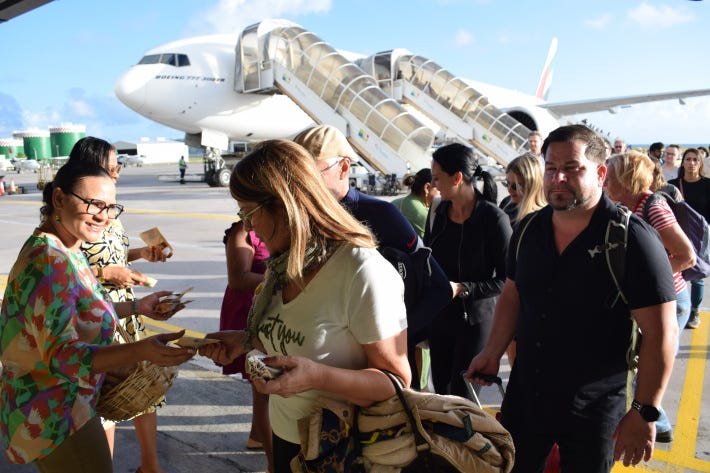
Seychelles is often celebrated as a paradise: turquoise waters, pristine beaches, and a vibrant culture that attracts travelers from across the globe. Tourism is the backbone of our economy, contributing roughly 25% of GDP and over half of our foreign exchange earnings. While this sector has brought prosperity, the COVID-19 pandemic underscored the risks of overreliance on a single industry.
As a Seychellois deeply invested in our nation’s future, I believe it is imperative to explore economic diversification. By expanding into high-potential industries, Seychelles can secure long-term resilience, sustainable growth, and global relevance. Below, I outline five industries ready for takeoff—sectors that align with our natural advantages, human capital, and strategic location.
The Blue Economy: Harnessing Our Ocean Wealth
Seychelles sits at the heart of the Indian Ocean, with an Exclusive Economic Zone (EEZ) of over 1.3 million km², giving us one of the largest maritime territories per capita in the world. This makes the blue economy a natural and critical path for economic diversification.
Opportunities include:
Sustainable Fisheries and Aquaculture: With responsible management, Seychelles can export high-value seafood to international markets. Local aquaculture can provide food security and create employment.
Marine Biotechnology: Research into marine organisms can lead to pharmaceuticals, cosmetics, and biofuels.
Eco-Tourism and Marine Research: Scientific partnerships with universities and NGOs can attract funding, while preserving our marine biodiversity.
Seychelles has already shown global leadership in this sector, pioneering debt-for-nature swaps and issuing blue bonds to finance marine conservation. By building a comprehensive blue economy strategy, Seychelles can become a model for sustainable island development worldwide.
Impact Projection: According to UNDP estimates, a well-developed blue economy could add 5–7% to national GDP within a decade, while creating thousands of skilled jobs.
Renewable Energy and Green Technology
Seychelles’ reliance on imported fossil fuels makes our energy sector both costly and vulnerable. The global shift toward renewable energy offers a dual opportunity: reducing costs and positioning Seychelles as a sustainable innovation hub.
Potential avenues:
Solar and Wind Energy: Expanding small-scale solar farms and wind energy projects can supply clean power domestically and create export opportunities.
Tidal and Wave Energy: Innovative marine energy technologies could take advantage of Seychelles’ coastal geography.
Green Technology Startups: Incentivizing local entrepreneurs to develop energy-efficient solutions for small island contexts.
The world is increasingly prioritizing climate-smart investment, and Seychelles can attract foreign capital by aligning with these global priorities. By becoming a renewable energy leader in the Indian Ocean, we not only reduce dependence on imports but also create a new sector for jobs and innovation.
Example: Mauritius, a nearby island, has leveraged renewable energy incentives to attract foreign investors, demonstrating the potential for regional replication.
Financial Services and Offshore Innovation
Seychelles’ political stability, rule of law, and tax-neutral framework make it an attractive location for financial services and offshore operations. While offshore finance is often misunderstood, when managed transparently, it can be a major revenue generator.
Areas for growth include:
Fintech and Digital Banking: Offering secure, innovative platforms for international clients.
Wealth Management and Investment Services: Serving high-net-worth individuals seeking a stable jurisdiction.
Insurance and Reinsurance: Covering marine, tourism, and climate-related risks.
To succeed, Seychelles must maintain transparent regulations and compliance with international standards. This builds credibility, prevents reputational risks, and positions the country as a trusted financial hub in the region.
Impact Projection: The financial services sector could contribute 5–10% of GDP within a decade if paired with investment in technology, talent, and international partnerships.
Information Technology and Knowledge-Based Industries
The world is undergoing a digital transformation, and Seychelles is well-positioned to become a knowledge economy. With a literate, multilingual population and increasing access to digital infrastructure, we can expand into:
Software Development and Digital Services: Providing solutions for tourism, logistics, and financial sectors globally.
Data Analytics and Remote Work Hubs: Attracting international companies to operate regional offices here.
E-Government Services and Smart City Projects: Improving efficiency while showcasing Seychelles as a tech-forward nation.
Investing in education and upskilling is critical to enable Seychellois youth to compete in the global digital economy. By focusing on knowledge-based industries, Seychelles can reduce its economic vulnerability and cultivate a high-value workforce.
Example: Small states like Estonia have transformed into digital powerhouses, demonstrating that population size is not a limitation to tech-driven success.
Specialty Agriculture and Agritech
Although Seychelles’ land area is limited, innovative agriculture can enhance food security, generate exports, and integrate with tourism. Traditional agriculture is small-scale, but with modern methods, we can achieve high-value production:
Vertical Farming and Hydroponics: Efficient use of limited land to grow premium produce for local consumption and export.
Specialty Crops and Spices: Vanilla, cinnamon, and rare fruits can cater to niche international markets.
Agro-Tourism Integration: Visitors can experience sustainable farms, linking agriculture with tourism and education.
By investing in agritech and specialty crops, Seychelles can reduce dependency on imports, create jobs, and add another dimension to our economic profile.
Impact Projection: Targeted agricultural initiatives could cover 50–70% of local food demand while generating export revenue of USD 10–15 million annually.
A Roadmap for Implementation
Diversifying beyond tourism requires a strategic and coordinated approach. Here are the key steps:
Policy Framework: Develop clear incentives for investors, startups, and SMEs in these sectors.
Education and Skills: Align education and vocational training with emerging industries.
Infrastructure Investment: Expand ports, digital infrastructure, and renewable energy capacity.
Public-Private Partnerships: Leverage international expertise while empowering local entrepreneurs.
Sustainable Practices: Ensure all industries align with environmental goals and global sustainability standards.
Seychelles’ government, private sector, and civil society must work in synergy, creating an ecosystem where innovation, investment, and sustainability reinforce each other.
Conclusion: A Future Beyond Paradise
Tourism will always be a pillar of Seychelles’ economy, but it cannot be the only one. By embracing the blue economy, renewable energy, financial services, IT, and specialty agriculture, we can build a resilient, diversified, and globally relevant economy.
Economic diversification is more than a financial imperative—it is a geopolitical strategy. By establishing new industries, Seychelles strengthens its independence, attracts strategic partnerships, and enhances its voice on the global stage.
As a Seychellois deeply committed to our nation’s growth, I see immense opportunity. Our strategic location, natural resources, and human capital provide a foundation for industries that can define Seychelles for the next generation. With vision, governance, and investment, we can secure a future where Seychelles is not just a paradise for tourists, but a hub for innovation, sustainability, and economic leadership in the Indian Ocean.